
What Is Oligohydramnios?
Oligohydramnios means there is less amniotic fluid than normal during pregnancy. Amniotic fluid surrounds the baby in the womb. It helps protect the baby and supports healthy growth. When this fluid is too low, it can cause problems for both the mother and the baby. Oligohydramnios can happen at any stage of pregnancy, but it is more common in the last trimester.
Common Causes of Oligohydramnios
There are several reasons why a pregnant woman may have low amniotic fluid. Sometimes, the cause is not clear. However, some common causes include:
Because these causes vary, it is important to see a doctor for proper evaluation.
Signs and Symptoms of Oligohydramnios
Often, women with oligohydramnios do not notice any symptoms. Still, some signs may suggest low amniotic fluid. For example, you may feel less movement from your baby. Your belly may also measure smaller than expected for your stage of pregnancy. In some cases, there may be a slow leak of fluid from the vagina. If you notice any of these signs, contact your healthcare provider right away.
How Is Oligohydramnios Diagnosed?
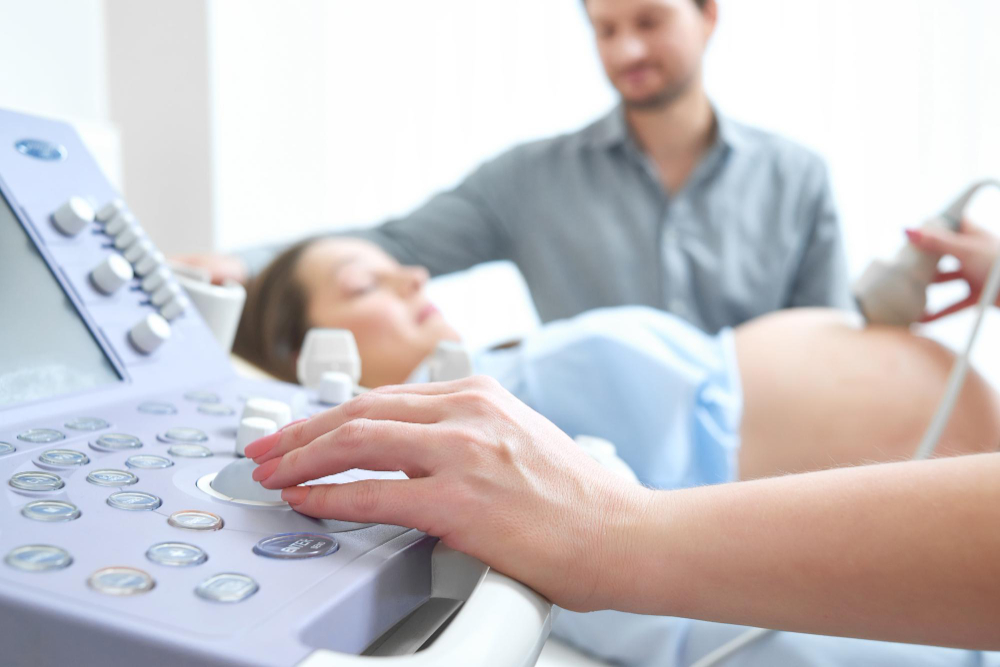
Doctors use several methods to check for oligohydramnios. First, they may measure your belly during routine check-ups. If your belly is smaller than expected, they may order an ultrasound. An ultrasound uses sound waves to create images of your baby and the fluid around them. During this test, the doctor measures the amount of amniotic fluid. If the fluid is too low, they may diagnose oligohydramnios. Sometimes, more tests are needed to find the cause.
Treatment Options and Management
Treatment for oligohydramnios depends on how far along you are in your pregnancy and the cause. In some cases, no treatment is needed, and doctors will simply watch you and your baby closely. However, if treatment is needed, options may include:
Your doctor will discuss the best plan for you and your baby.
Prevention Tips and Lifestyle Guidance
While not all cases of oligohydramnios can be prevented, there are steps you can take to lower your risk. For example:
These steps can help keep you and your baby healthy during pregnancy.
When to Seek Medical Help
If you notice less movement from your baby, leaking fluid, or any unusual symptoms, contact your doctor right away. Early care can help prevent problems. In addition, always keep your prenatal appointments. Your doctor can check for signs of oligohydramnios and guide you on the best steps to take.
Summary
Oligohydramnios means having low amniotic fluid during pregnancy. It can have many causes and may not always show symptoms. However, regular check-ups and healthy habits can help. If you have concerns about low amniotic fluid in pregnancy, consult a healthcare specialist at Swastik Surgical and Maternity Center for personalized advice on oligohydramnios.