What is Laparoscopic Hernia Repair?
Laparoscopic hernia repair is a modern, minimally invasive surgery. It fixes hernias using small cuts and a camera. A hernia happens when an organ or tissue pushes through a weak spot in the muscle. This surgery is important because it often leads to less pain and a faster recovery than open surgery. Many people choose laparoscopic hernia repair for its quick healing and smaller scars. According to the CDC, minimally invasive hernia surgery is safe and effective for most patients.
How Does the Procedure Work?
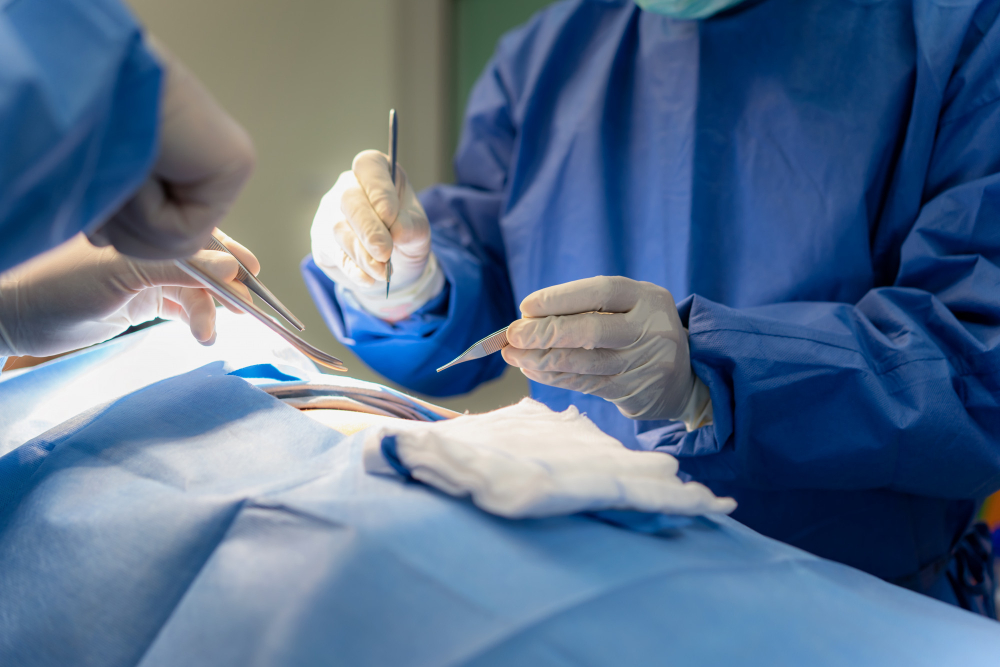
First, the surgeon makes a few tiny cuts in your belly. Then, a thin tube with a camera, called a laparoscope, goes through one of the cuts. This camera lets the doctor see inside your body on a screen. Next, special tools are used to move the hernia back into place. After that, the weak muscle area is covered with a mesh patch. This patch helps keep the hernia from coming back. Finally, the small cuts are closed with stitches or glue. Because the cuts are small, there is usually less pain and swelling.
Benefits of Laparoscopic Hernia Repair
Laparoscopic hernia repair offers many advantages over traditional open surgery. For example, patients often return to normal activities sooner. Here are some key benefits:
Additionally, many people feel more comfortable choosing a minimally invasive hernia surgery. The World Health Organization notes that laparoscopic surgery benefits include less blood loss and fewer wound problems.
Risks and Considerations
Although laparoscopic hernia repair is safe, every surgery has some risks. For instance, there may be bleeding, infection, or injury to nearby organs. Sometimes, the hernia can come back. Also, not everyone is a good candidate for this type of surgery. Your doctor will discuss these risks with you before the procedure. However, most people recover well and have few problems. Always follow your surgeon’s advice to lower your risk of complications.
Recovery and Aftercare
After laparoscopic hernia repair, most people go home the same day. You may feel sore for a few days, but this usually gets better quickly. To help your recovery:
Usually, you can return to light activities within a week. However, heavy lifting should be avoided for several weeks. If you have questions about hernia repair recovery, ask your healthcare provider. In some areas, like laparoscopic hernia repair in New York, aftercare instructions may vary slightly based on local practices.
Who is a Good Candidate?
Not everyone can have laparoscopic hernia repair. Good candidates often include:
However, some people may need open surgery instead. For example, very large hernias or certain health conditions may make laparoscopic surgery unsafe. Your surgeon will help decide the best option for you.
Conclusion
Laparoscopic hernia repair is a safe and effective way to fix hernias. It uses small cuts, a camera, and special tools for a quicker recovery. While there are some risks, most people do well after this minimally invasive hernia surgery. If you think you may need hernia repair, consult a Dr. Neelam Negi Garg to know if laparoscopic hernia repair is right for you.