
Introduction
Many couples face challenges when trying to have a baby. One common issue is thin endometrium and infertility. The endometrium is the inner lining of the uterus. It plays a key role in pregnancy. When this lining is too thin, it can make it hard for a fertilized egg to attach. As a result, thin endometrial lining and pregnancy problems often go hand in hand. Understanding the causes, symptoms, and treatments can help you take the right steps.
What Is Thin Endometrium?
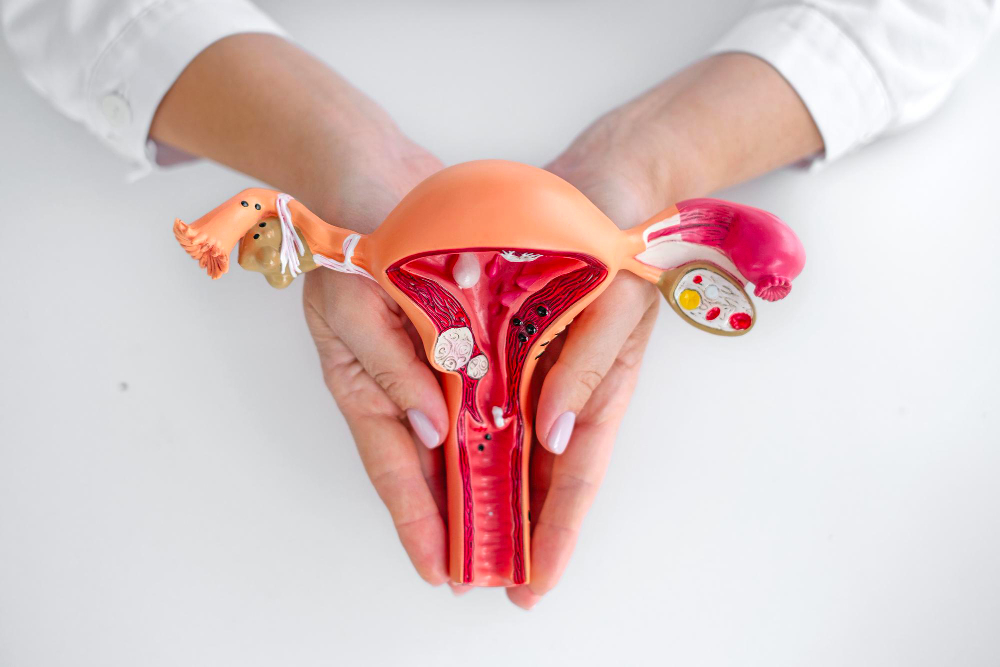
The endometrium is the soft tissue inside the uterus. Each month, it thickens to prepare for a possible pregnancy. Normally, the endometrial thickness is about 7–14 millimeters during the middle of the menstrual cycle. However, if the lining is less than 7 millimeters, doctors may call it a thin endometrium. This can lower the chances of getting pregnant.
How Does Thin Endometrium Affect Fertility?
For pregnancy to happen, a fertilized egg must attach to the endometrial lining. If the lining is too thin, the egg may not stick well. Therefore, thin endometrium and infertility are closely linked. In addition, a thin lining may not provide enough support for early pregnancy. This can lead to trouble getting pregnant or even early miscarriage. Improving endometrial thickness can help boost the chances of a healthy pregnancy.
Common Symptoms and Signs
Often, thin endometrium does not cause clear symptoms. Still, some women may notice:
However, many women only learn about thin endometrium during fertility tests. For this reason, regular check-ups are important if you are trying to conceive.
Causes and Risk Factors
Several things can cause a thin endometrial lining. Some common causes and risk factors include:
Because many factors can play a role, it is important to talk to your doctor about your health history.
Diagnosis Methods
Doctors use several tests to check for thin endometrium. Most often, they use a pelvic ultrasound. This test measures the thickness of the endometrial lining. Sometimes, doctors may also use:
With these tests, doctors can find the cause and suggest the best treatment for thin endometrium and infertility.
Treatment Options
Treatment for thin endometrium depends on the cause. Some common options include:
In addition, doctors may suggest lifestyle changes. For example, quitting smoking, eating a balanced diet, and regular exercise can help. Improving endometrial thickness often takes time, so patience is important.
Prevention and Lifestyle Guidance
While not all cases can be prevented, some steps may lower your risk:
Because early care can make a difference, it is wise to address any menstrual changes quickly.
When to Consult a Doctor
If you have trouble getting pregnant or notice changes in your periods, see a doctor. Early diagnosis and treatment for thin endometrium and infertility can improve your chances of pregnancy. In many cases, a fertility specialist can offer the best advice and care.
Conclusion
Thin endometrium and infertility can be challenging, but help is available. With the right diagnosis and treatment, many women can improve their endometrial thickness and boost their chances of pregnancy. Consult a fertility specialist Dr Neelam Negi Garg for personalized advice on thin endometrium and infertility.