
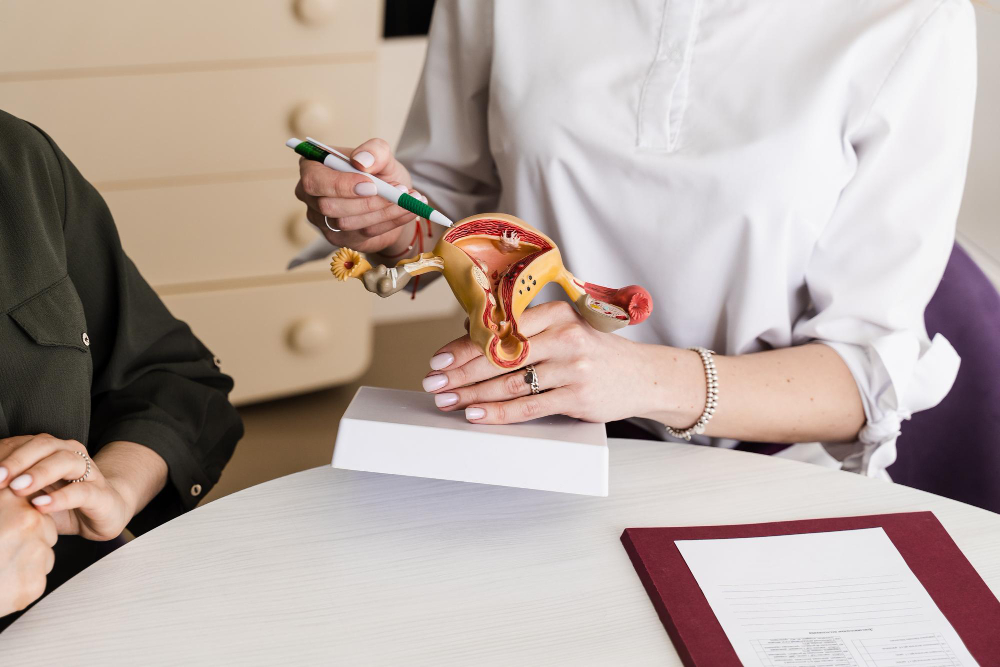
Many people trying to have a baby hear about endometrial receptivity and implantation failure. These terms are important in fertility and reproductive health. Endometrial receptivity means the uterus is ready for a fertilized egg to attach. Implantation failure happens when the embryo does not stick to the uterus. Understanding these topics can help people who face trouble getting pregnant.
What Is Endometrial Receptivity?
Endometrial receptivity is when the lining of the uterus, called the endometrium, is ready for an embryo to attach. Usually, this happens during a special time in the menstrual cycle. Doctors call this the “window of implantation.” During this window, the endometrium changes to support a growing embryo. For many, this is a key step in becoming pregnant. However, if the endometrium is not receptive, pregnancy may not occur even with healthy eggs and sperm.
What Is Implantation Failure?
Implantation failure means the embryo does not attach to the uterus. This can happen even after in vitro fertilization (IVF) or natural conception. Sometimes, it occurs more than once. Doctors may call this “recurrent implantation failure” if it happens after several tries. Because implantation is a complex process, many factors can affect its success. For couples facing infertility, understanding implantation failure is important.
Common Symptoms and Signs
Often, there are no clear symptoms of endometrial receptivity problems or implantation failure. Still, some signs may suggest a problem:
However, these signs can also have other causes. Because of this, seeing a fertility specialist is helpful if you are concerned.
Causes and Risk Factors
Many things can affect endometrial receptivity and lead to implantation failure. For example, some common causes and risk factors include:
Additionally, some women may have unexplained infertility, where no clear cause is found. In these cases, doctors may still look for ways to improve endometrial health.
How Is It Diagnosed?
Doctors use several tests to check endometrial receptivity and find reasons for implantation failure. For instance, they may suggest:
Sometimes, doctors use special tests, like the Endometrial Receptivity Analysis (ERA), to find the best time for embryo transfer. Because each person is different, the doctor will choose tests based on your history.
Treatment Options
Treatment depends on the cause of endometrial receptivity problems or implantation failure. For many, doctors may recommend:
In some cases, lifestyle changes can also help. For example, quitting smoking or managing stress may improve fertility. Because treatment is personal, your doctor will make a plan that fits your needs.
Lifestyle Guidance and Prevention Tips
While not all causes can be prevented, some steps may support endometrial health and lower the risk of implantation failure:
Because early care can make a difference, talk to a healthcare provider if you have trouble getting pregnant. They can help you find the best steps for your reproductive health. Consult Dr. Neelam Negi Garg now.