
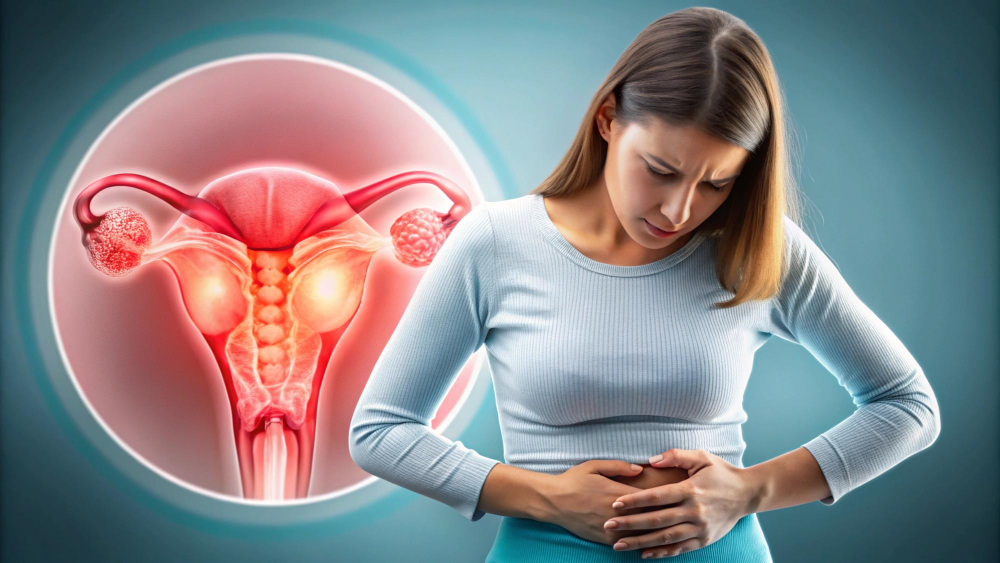
What Is Endometriosis?
Endometriosis is a health condition where tissue, similar to the lining inside the uterus, grows outside of it. This tissue can appear on the ovaries, fallopian tubes, or other areas in the pelvis. As a result, it can cause pain, heavy periods, or other symptoms. Although endometriosis is common, many people do not know they have it. According to the World Health Organization (WHO), endometriosis affects about 10% of women of childbearing age worldwide.
How Does Endometriosis Affect Fertility?
Endometriosis and fertility are closely linked. For some, endometriosis can make it harder to get pregnant. This happens because the extra tissue can block the fallopian tubes or cause swelling in the pelvis. Sometimes, it can also affect the quality of eggs or the way the uterus works. However, not everyone with endometriosis will have trouble getting pregnant. Still, if you are trying to conceive and have concerns, it is important to know how endometriosis may play a role.
Common Symptoms of Endometriosis
Endometriosis can cause a range of symptoms. Yet, some people may not notice any signs at all. Still, knowing the common symptoms can help you spot problems early. Watch for these signs of endometriosis affecting fertility:
Because these symptoms can also be caused by other issues, it is important to talk to a healthcare provider if you notice them.
When to Consider Treatment for Endometriosis and Fertility
Many people wonder when to seek help for endometriosis and fertility. If you have been trying to get pregnant for a year without success, you may want to see a doctor sooner if you have known endometriosis or severe symptoms. In addition, you should consider treatment if:
Early treatment can improve your chances of pregnancy and help manage pain.
Diagnosis: How Endometriosis Is Identified
Doctors use several methods to diagnose endometriosis. First, they may ask about your symptoms and medical history. Next, a pelvic exam can help find tender areas or growths. Sometimes, doctors use ultrasound or MRI scans to look for signs of endometriosis. However, the only way to confirm the diagnosis is through a minor surgery called laparoscopy. During this procedure, a small camera is used to look inside the pelvis. This helps the doctor see and sometimes remove the extra tissue.
Treatment Options for Endometriosis-Related Fertility Issues
There are several endometriosis treatment for infertility options. The right choice depends on your age, symptoms, and plans for pregnancy. Some common treatments include:
Because every person is different, your doctor will help you choose the best plan for your needs.
Lifestyle Tips to Support Fertility with Endometriosis
While medical treatment is key, healthy habits can also help. For example, eating a balanced diet and staying active may support your overall health. Here are some tips:
Although these steps cannot cure endometriosis, they may help your body work better and support fertility.
Prevention and Early Intervention Strategies
Currently, there is no sure way to prevent endometriosis. However, early intervention can make a big difference. If you notice symptoms, see your doctor as soon as possible. Regular check-ups can help catch problems early. In addition, learning about your family history may help you understand your risk. By staying informed and seeking help early, you can take control of your health and improve your chances for a healthy pregnancy.
Conclusion
If you have concerns about endometriosis or fertility, Dr. Neelam Negi Garg is here to help. Schedule a consultation today to discuss your options and get the support you need.