
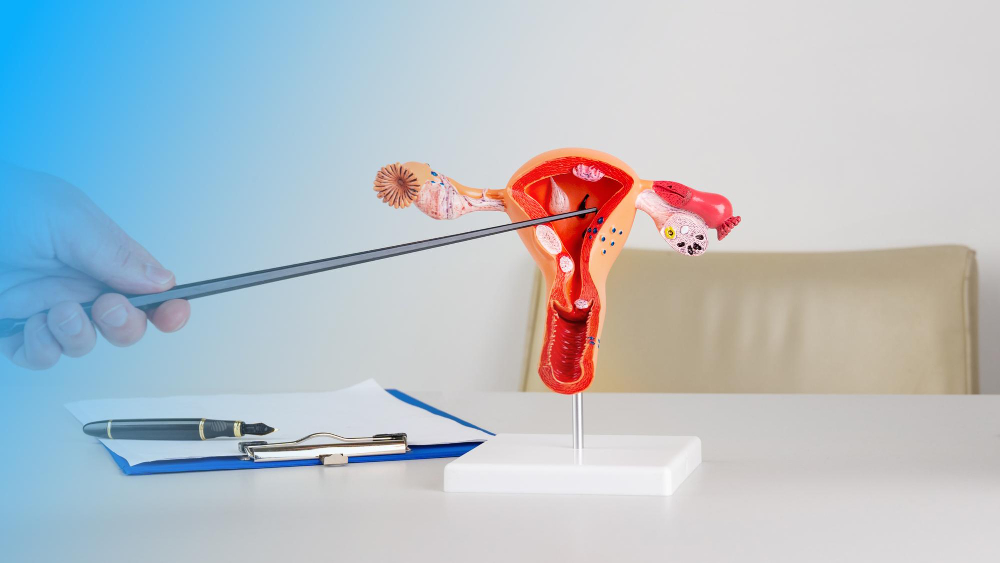
Ovarian reserve testing helps women learn about their fertility. This test measures how many eggs remain in the ovaries. Many people use ovarian reserve testing during a fertility evaluation. It can guide family planning and help with decisions about treatment. For those in need of a female fertility assessment, this test may offer useful information. But is ovarian reserve testing right for you? Let’s explore what it means and who may benefit.
What Is Ovarian Reserve?
Ovarian reserve is the number and quality of eggs in a woman’s ovaries. Every woman is born with all the eggs she will ever have. Over time, the number of eggs drops. As women age, egg quality can decrease as well. Because of this, ovarian reserve plays a key role in fertility. Knowing your ovarian reserve can help you plan for the future. For example, it may help you decide when to try for a baby.
Why Consider Ovarian Reserve Testing?
Many women wonder if they should check their egg count. Ovarian reserve testing can provide answers. For instance, it can help you understand your chances of getting pregnant. Some women use this test before starting fertility treatments. Others want to know more about their reproductive health. In addition, doctors may suggest this test if you have certain risk factors. Ovarian reserve testing can also help guide treatment choices.
Who Should Get Ovarian Reserve Testing?
Not everyone needs ovarian reserve testing. However, some women may benefit more than others. For example, you might consider testing if:
Additionally, women planning to delay pregnancy may want to know their egg count. If you are unsure, talk to a healthcare provider about ovarian reserve testing in your area.
How Is Ovarian Reserve Tested?
Doctors use several methods to check ovarian reserve. The most common tests include blood tests and ultrasound. For example, the AMH test measures anti-Müllerian hormone levels. This hormone reflects the number of eggs left. Another option is the follicle-stimulating hormone (FSH) test. Doctors may also use an ultrasound to count the small follicles in your ovaries. This is sometimes called an “antral follicle count” or egg count test.
Each test gives a piece of the fertility puzzle. Sometimes, doctors use more than one test for a full picture.
Interpreting Test Results
After testing, your doctor will explain what the numbers mean. High AMH levels usually suggest a good egg supply. Low AMH may mean fewer eggs remain. However, these results do not guarantee pregnancy. For instance, some women with low AMH still conceive naturally. FSH levels also matter. High FSH can signal a lower ovarian reserve. The antral follicle count shows how many small follicles are present. More follicles often mean a better chance of pregnancy. Yet, test results are only part of the story. Other factors, like age and overall health, also affect fertility.
Benefits and Limitations of Ovarian Reserve Testing
Ovarian reserve testing offers several benefits. First, it helps women make informed choices about their fertility. Second, it can guide treatment plans for those seeking help. Third, it may reduce stress by providing clear information. However, there are also limits to what these tests can show. For example, they cannot predict exactly when menopause will start. They also do not measure egg quality directly.
Because of these limits, always discuss your results with a trusted healthcare provider.
Risks and Considerations
Ovarian reserve testing is usually safe. Blood tests and ultrasounds have few risks. Still, there are things to consider. For instance, test results may cause worry or confusion. Sometimes, women may feel stressed if results are not as expected. In addition, test results can change over time. Because of this, a single test may not tell the whole story. Always talk with your doctor about what the results mean for you. In some cities, access to ovarian reserve testing may vary. Check with local clinics for options in your area.
Frequently Asked Questions About Ovarian Reserve Testing
Dr. Neelam Negi Garg offers ovarian reserve testing, consult now