
What Is a Laparoscopic Hysterectomy?
Laparoscopic hysterectomy is a type of minimally invasive surgery to remove the uterus. Unlike traditional open surgery, doctors use small cuts and a camera to perform this procedure. As a result, many women choose this option for a faster recovery and less pain. This surgery is common in many hospitals worldwide, including in both urban and rural areas.
Why Is a Laparoscopic Hysterectomy Needed?
Doctors may suggest a laparoscopic hysterectomy for several reasons. For example, it can help treat:
Sometimes, your doctor may recommend this surgery if other treatments have not worked. However, the final decision depends on your health and needs.
How Is the Procedure Done?
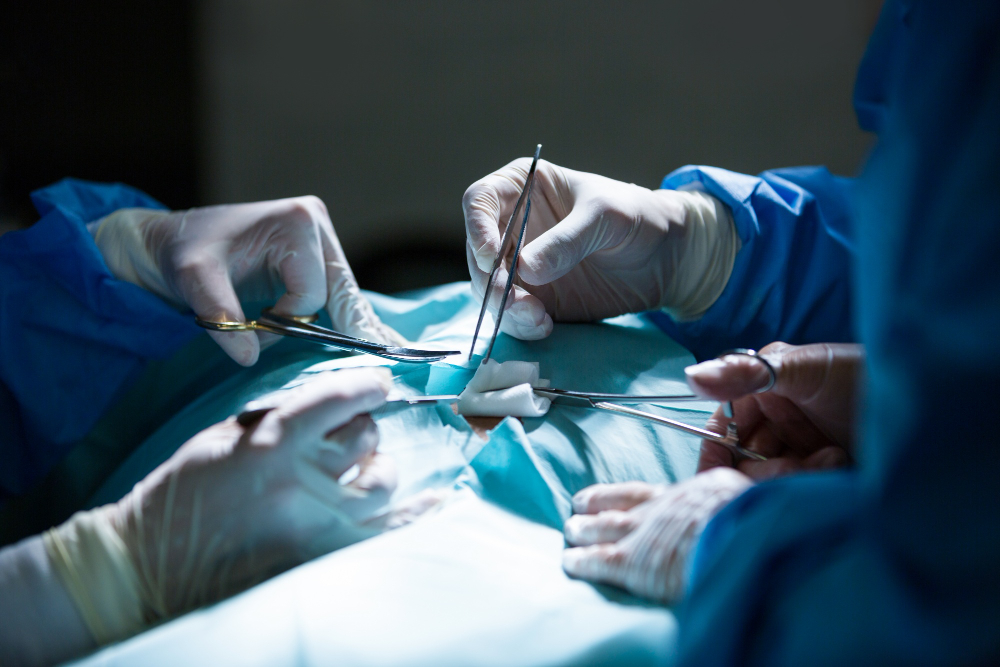
First, you will receive anesthesia, so you do not feel pain. Next, the surgeon makes a few small cuts in your belly. Through one cut, a thin tube with a camera (called a laparoscope) is inserted. Then, special tools are placed through the other cuts. The surgeon watches a screen to guide the tools and remove the uterus. Sometimes, the ovaries or fallopian tubes are also removed. Finally, the surgeon closes the cuts with stitches or glue. Most patients go home the same day or after one night.
Benefits of Laparoscopic Hysterectomy
Compared to traditional open surgery, laparoscopic hysterectomy offers many advantages. For instance:
Because of these benefits, many women prefer minimally invasive hysterectomy when possible.
Possible Risks and Complications
Although laparoscopic surgery is safe, every operation has some risks. For example, possible complications include:
However, most people recover without serious problems. Still, it is important to talk to your doctor about your personal risks before surgery.
Recovery After Laparoscopic Hysterectomy
Recovery after laparoscopic hysterectomy is usually quicker than with open surgery. Most women can return home within 24 hours. However, you may feel tired or sore for a few days. To help you heal, your doctor will give you clear instructions. For example:
Usually, you can return to work and normal activities in 2 to 4 weeks. However, recovery time may vary for each person.
Frequently Asked Questions
Will I have a scar after laparoscopic hysterectomy?
Yes, but the scars are small and often fade over time. Because the cuts are tiny, they are less noticeable than with open surgery.
Can I get pregnant after this surgery?
No, you cannot get pregnant after a hysterectomy. The uterus is removed, so pregnancy is not possible.
How soon can I return to normal life?
Most women feel better within 2 to 4 weeks. However, it is important to follow your doctor’s advice for a safe recovery.
Are there any long-term effects?
Most women do not have long-term problems. However, if your ovaries are removed, you may start menopause early. Your doctor will discuss this with you before surgery.
Conclusion
Laparoscopic hysterectomy is a safe and effective way to treat many women’s health problems. Because it is minimally invasive, recovery is often faster and easier. Still, every surgery has risks. Therefore, always consult a Dr. Neelam Negi Garg to discuss if laparoscopic hysterectomy is right for you.