
Introduction
Laparoscopy for infertility is a minimally invasive procedure that helps doctors find and treat causes of infertility. Many couples face challenges when trying to have a baby. In fact, about 10% of women in the United States have trouble getting pregnant, according to the CDC. Because laparoscopy uses small cuts and a camera, it is less painful and has a quicker recovery than open surgery. This method is important for women who want answers and hope for their fertility journey.
What Is Laparoscopy for Infertility?
Laparoscopy for infertility is a type of surgery that uses a thin tube with a camera. Doctors insert this tube through a small cut in the belly. As a result, they can see the organs inside, such as the uterus, fallopian tubes, and ovaries. Sometimes, doctors also treat problems during the same procedure. For example, they can remove scar tissue or cysts. Because it is minimally invasive, laparoscopy causes less pain and leaves smaller scars than traditional surgery.
Common Causes of Infertility Addressed by Laparoscopy
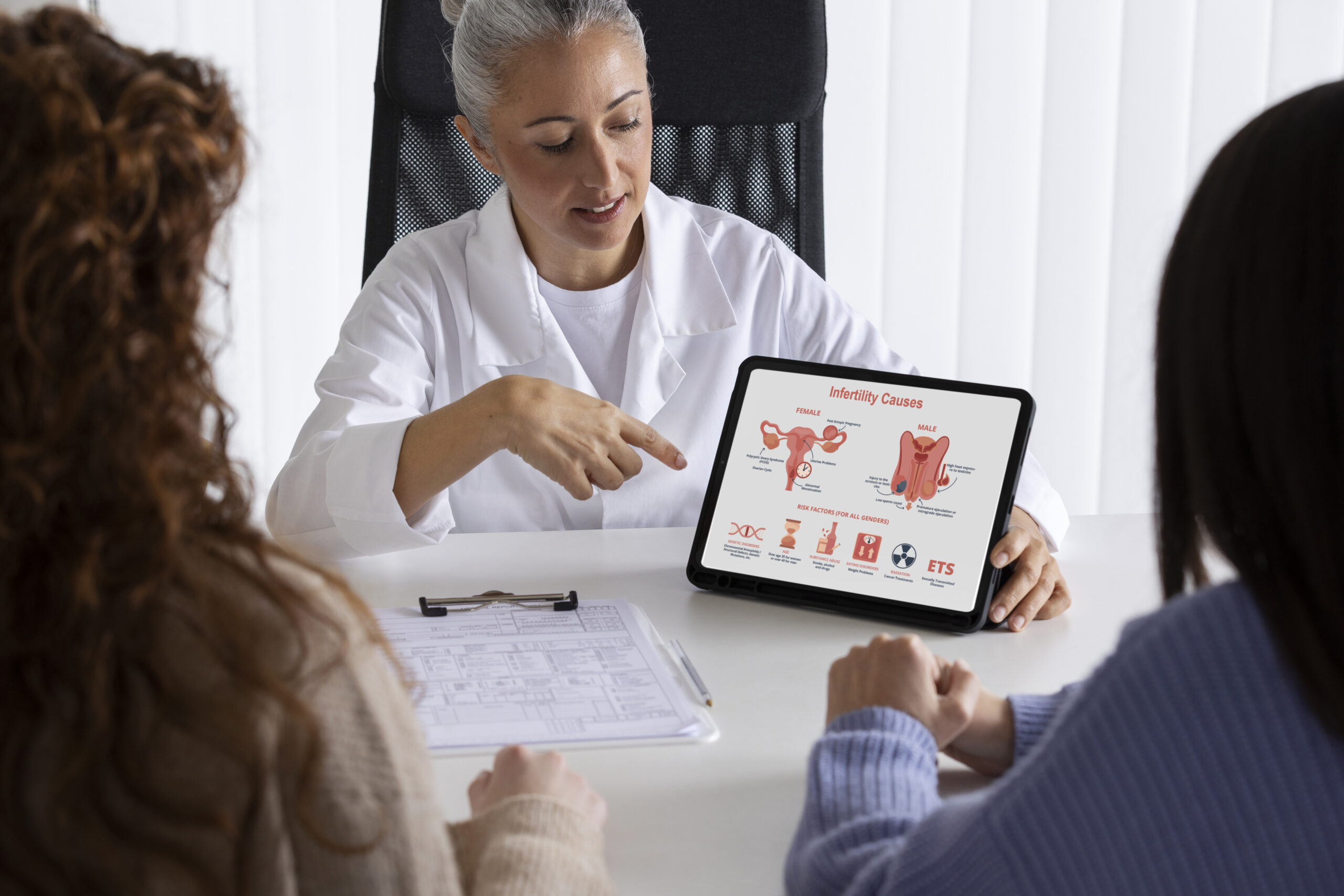
Laparoscopic surgery for female infertility helps find and treat several common causes. Some of these include:
Because laparoscopy gives a clear view, doctors can spot problems that other tests might miss. This can help improve the chances of pregnancy.
How the Laparoscopy Procedure Works
First, you will receive anesthesia, so you sleep during the surgery. Next, the doctor makes a small cut near your belly button. Then, a thin tube with a camera is placed inside. Sometimes, a few more small cuts are made for special tools. The doctor looks at your organs on a screen. If needed, they can fix problems right away. The whole procedure usually takes one to two hours. Afterward, you rest in a recovery room until you are awake and stable.
Benefits and Risks of Laparoscopy for Infertility
Laparoscopy for infertility offers many benefits. For example, it is less painful than open surgery. Also, you can go home the same day in most cases. Other benefits include:
However, there are some risks. These may include:
Although these risks are rare, it is important to discuss them with your doctor. According to the World Health Organization, minimally invasive infertility treatment is generally safe when performed by trained specialists.
Recovery and Aftercare Tips
After fertility laparoscopy, most people recover quickly. Usually, you can go home the same day. However, you may feel tired or have mild pain for a few days. To help your recovery:
If you notice fever, severe pain, or heavy bleeding, contact your doctor right away. Because recovery is usually quick, many women return to normal activities within a week.
Prevention and Lifestyle Guidance
While not all causes of infertility can be prevented, some healthy habits may help. For example, you can:
Because early treatment can improve outcomes, talk to a fertility specialist if you have concerns.
Frequently Asked Questions
For more information, consult a fertility specialist Dr. Neelam Negi Garg to discuss if laparoscopy is right for you.