
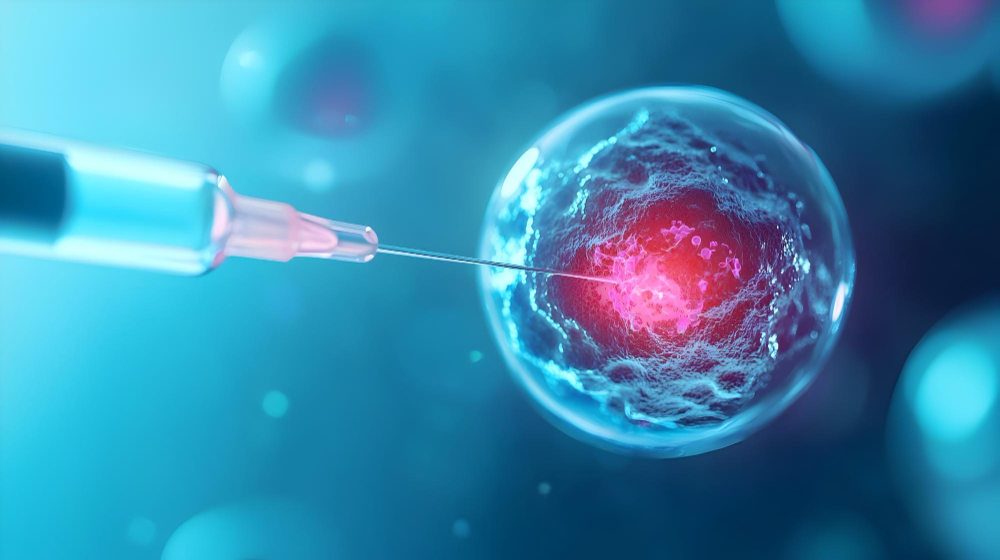
What is PRP in Infertility?
PRP in infertility is a new approach in fertility treatment. PRP stands for platelet-rich plasma. Doctors use it to help people who have trouble getting pregnant. In this method, a small amount of your blood is taken. Then, it is processed to separate the platelets. These platelets are rich in growth factors. After that, the doctor injects this plasma into the ovaries or uterus. Many people are now talking about PRP therapy for infertility because it is less invasive than surgery. As a result, it is gaining popularity as a fertility treatment option.
How Does PRP Therapy Work for Infertility?
First, doctors draw a small amount of your blood. Next, they spin it in a machine to get the platelet-rich plasma. This plasma has special proteins that help heal and grow tissues. Then, the doctor injects the PRP into the ovaries or uterus. The goal is to improve the health of these organs. For example, PRP may help women with thin uterine lining or poor egg quality. Because of this, PRP therapy for infertility is being studied as a way to boost fertility naturally.
Benefits of PRP in Fertility Treatment
Many people want to know the benefits of PRP in infertility. While research is still ongoing, some possible benefits include:
Additionally, PRP therapy is quick and usually does not require a hospital stay.
Who Can Benefit from PRP Therapy?
Not everyone needs PRP therapy for infertility. However, certain groups may benefit more. These include:
Still, it is important to talk to a fertility specialist. They can help decide if PRP is right for you.
PRP Procedure: What to Expect
First, your doctor will explain the PRP procedure for infertility. Here is what usually happens:
Most people can go home the same day. You may feel mild discomfort, but serious side effects are rare.
Success Rates and Scientific Evidence
Many people ask about the success rates of PRP in infertility. Studies are still ongoing, but early results are promising. Some research shows that PRP may help women with thin uterine lining get pregnant. Other studies suggest it may improve egg quality. However, more large studies are needed. According to the World Health Organization and recent medical journals, PRP is still considered experimental. Even so, many clinics now offer PRP therapy for infertility in major cities.
Possible Risks and Side Effects
Like any medical procedure, PRP therapy has some risks. Most are mild and go away quickly. Possible side effects include:
Because PRP uses your own blood, allergic reactions are very rare. Still, you should talk to your doctor about any concerns.
Frequently Asked Questions
Prevention and Lifestyle Tips
While PRP in infertility may help, healthy habits are also important. Here are some tips:
These steps can support your fertility and overall health.
When to Consult a Fertility Specialist
If you have tried to get pregnant for a year without success, it is time to see a fertility specialist. Even after six months, women over 35 should seek help. A doctor can explain all fertility treatment options, including PRP therapy for infertility. In many cities, clinics now offer PRP procedures for infertility. Therefore, ask your doctor if this treatment is available near you. Remember, early advice can make a big difference.
Consult a fertility specialist Dr. Neelam Negi Garg to learn if PRP therapy is right for you.